
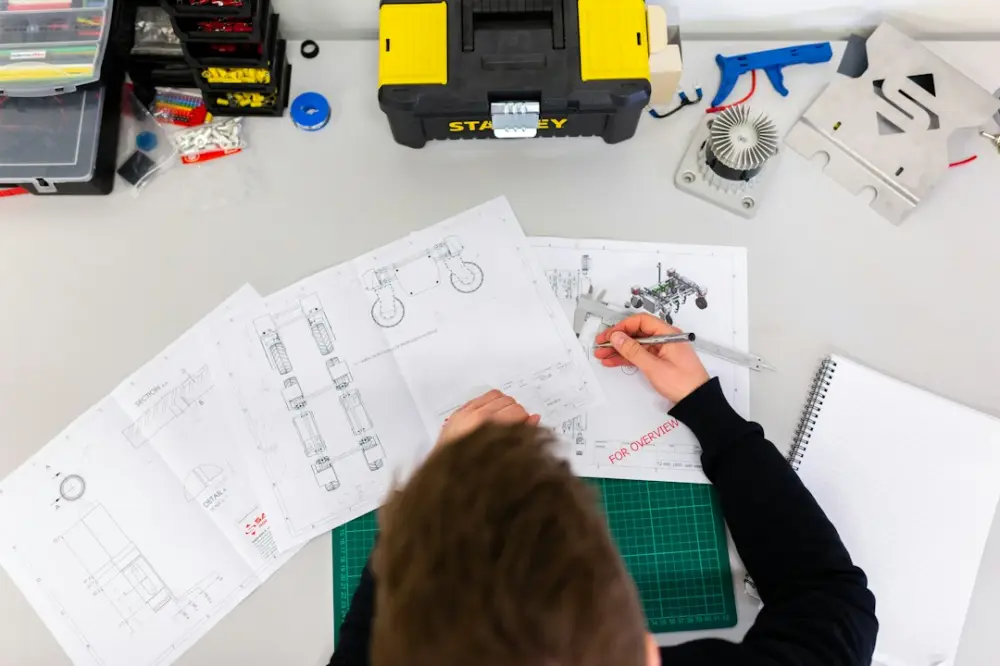
Planning component inspections with professionals involves coordinating with licensed engineers or architects to verify that critical structural elements meet safety codes and design specifications. This process utilizes a Statement of Special Inspections (SSI) to define the frequency and type of testing required for materials, ensuring that every component performs as intended throughout the project lifecycle.
This level of oversight moves beyond basic maintenance checks. It focuses on the verification of materials and workmanship that are essential to the integrity of a build or a mechanical system. By engaging a professional early, you establish a rigorous framework that prevents minor installation errors from evolving into systemic failures in 2026.
How to Begin Planning Your Component Inspections
- To begin, identify the specific regulatory requirements or engineering standards applicable to your machinery or structure.
- Start by consulting with a licensed Design Professional in Responsible Charge (DPIRC) to define the scope of the Statement of Special Inspections.
- The first step in technical preparation is to vet and hire an independent third-party inspection agency that holds the necessary certifications for your specific components.
- Next, establish a digital communication protocol between the contractor, the inspector, and the design professional to handle real-time reporting.
- Finally, schedule a pre-inspection meeting to review the SSI and ensure all parties understand the frequency and methods of the required tests.
The Design Professional's Role
The Design Professional in Responsible Charge (DPIRC) is the individual, typically a licensed architect or structural engineer, who oversees the technical aspects of a project. This role is not merely advisory; the DPIRC is legally responsible for ensuring that the plans submitted to building officials are followed precisely. for component inspections, they determine which elements require special attention based on the complexity of the design and the materials used.
For instance, in a large-scale industrial facility, the DPIRC might mandate specific torque tests for high-strength bolts or ultrasonic testing for weld penetration in steel frames. They act as the primary point of contact between the construction team and the third-party inspectors, reviewing all reports to confirm that the work aligns with the original engineering intent. Their involvement ensures that the standards for safety and performance are never compromised for the sake of project speed.
Creating a Statement of Special Inspections
The Statement of Special Inspections (SSI) serves as the master document for quality assurance. It is project-specific and identifies exactly what needs to be inspected, the frequency of those inspections, and the specific qualifications required for the individuals performing the work. While identifying common signs of wear in your car engine components is a vital daily habit for any vehicle owner, an SSI applies this same logic to the structural and mechanical bones of a building or a complex machine.
A well-drafted SSI will categorize inspections into two types: continuous and periodic. Continuous inspection requires the inspector to be present at all times while the work is being performed, such as during the placement of reinforced concrete in a high-load foundation. Periodic inspection involves scheduled visits to check completed tasks, like verifying the spacing of rebar before a pour. By defining these requirements clearly, the SSI eliminates ambiguity and ensures that every critical component is verified by an expert.
Managing Oversight and Execution
Executing special inspections requires a clear chain of command and meticulous record-keeping. The inspectors themselves must be independent third parties, hired directly by the owner or the DPIRC, rather than the contractor performing the work. This independence is crucial to avoid conflicts of interest and to ensure that the inspection results are objective and accurate. When an inspector identifies a discrepancy, it must be documented and communicated immediately to both the contractor and the DPIRC for resolution.
In 2026, the use of digital reporting tools has streamlined this oversight. Inspectors can now upload photos and test results from the field, allowing the design professional to review and approve work in real-time. This level of scrutiny is essential when selecting appropriate replacement components for engine reliability or structural repair, as it provides a documented history of compliance. The final goal is the "Final Report of Special Inspections," which certifies that all identified issues have been corrected and the project meets all safety requirements.
Industrial Component Reliability in 2026
The principles of professional component inspection extend far beyond the construction site and into the world of precision engineering and automotive maintenance. Whether you are managing a fleet of vehicles or overseeing a manufacturing plant, the necessity of rigorous, professional-grade verification remains the same. Reliability is built on the foundation of verified quality, where every bolt, seal, and sensor is accounted for and tested against established standards.
At Global Denso Products, we believe that understanding these professional standards is the first step toward achieving long-term vehicle and machinery health. By applying the same discipline found in structural special inspections to the way we monitor engine wear and component performance, we can significantly extend the lifecycle of our equipment. Planning component inspections with professionals is not just a regulatory hurdle; it is a commitment to the precision and reliability that defines modern engineering excellence. As we move through 2026, staying informed about these processes ensures that your investments remain safe, efficient, and durable for years to come.