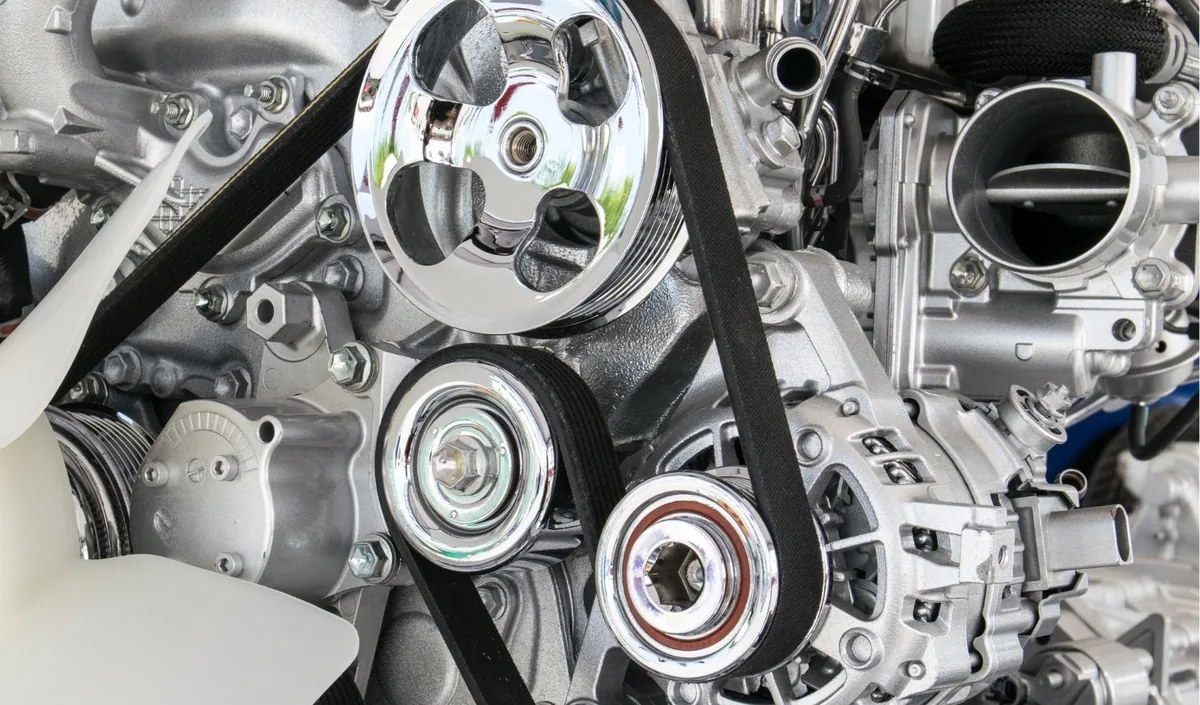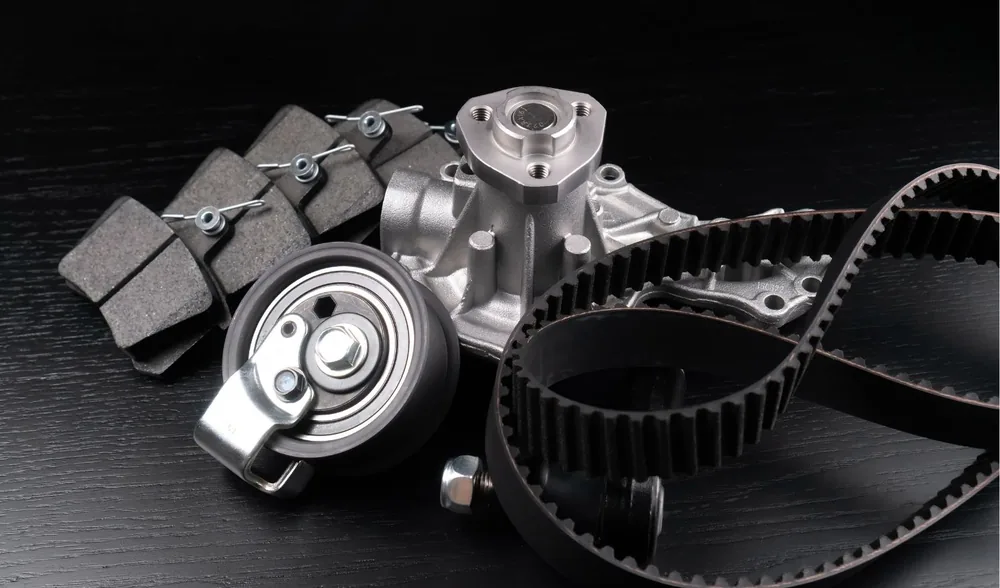
When you open the hood of a vehicle or peer under the chassis, it’s easy to get overwhelmed by the sheer number of components that make a car function. Whether you're a vehicle owner, aspiring mechanic, or automotive enthusiast, understanding the basic categories of automotive components is essential to diagnosing issues, performing upgrades, or making informed buying decisions.
In this beginner’s guide, we’ll break down the key automotive component categories you need to know—along with their roles in keeping your vehicle running smoothly. <h3>1. <strong>Engine System Components</strong></h3> The engine is the heart of any vehicle. Components in this category include the <strong>engine block</strong>, <strong>cylinder head</strong>, <strong>pistons</strong>, <strong>camshaft</strong>, and <strong>crankshaft</strong>. These parts convert fuel into mechanical energy, propelling the vehicle forward. <blockquote><strong>Tip</strong>: Choosing high-quality engine parts can directly impact performance and fuel efficiency.</blockquote> <h3>2. <strong>Transmission & Drivetrain</strong></h3> This category includes the <strong>gearbox</strong>, <strong>clutch</strong>, <strong>differential</strong>, <strong>drive shafts</strong>, and <strong>axles</strong>. The transmission regulates power from the engine to the wheels, ensuring your vehicle runs at the desired speed with optimal efficiency. <h3>3. <strong>Suspension & Steering</strong></h3> These systems work together to ensure a smooth ride and precise control. Components include <strong>shock absorbers</strong>, <strong>struts</strong>, <strong>tie rods</strong>, <strong>ball joints</strong>, and <strong>steering racks</strong>. They provide stability, reduce vibration, and enhance handling, especially on uneven terrain. <h3>4. <strong>Braking System</strong></h3> From <strong>brake pads</strong> and <strong>calipers</strong> to <strong>rotors</strong> and <strong>master cylinders</strong>, braking components are crucial for safety. Proper maintenance and timely replacement of worn brake parts ensure optimal stopping power and reduce accident risk.