


Identifying common signs of wear in your car engine components
The Myth of the Maintenance-Free Modern Engine
In the modern era of automotive engineering, there is a dangerous misconception that today’s vehicles are virtually indestructible. We have been conditioned by long service intervals and high-tech dashboards to believe that as long as no warning light is glowing, everything under the hood is pristine. I would argue that this passivity is the single greatest threat to your vehicle’s longevity. A dashboard light is not a proactive warning; it is often a post-mortem notification that a component has already failed.
To truly protect your investment and ensure peak performance, you have to develop a more critical eye—and ear. Engine components don’t just fail overnight. They scream for help through subtle shifts in vibration, sound, and smell. If you are waiting for a computer to tell you your car is sick, you are already behind the curve. Identifying wear is about being an active participant in your vehicle’s health, rather than a passive passenger.
Hearing is Believing: The Auditory Red Flags You’re Ignoring
The most common mistake drivers make is turning up the radio to drown out an unfamiliar sound. This is negligence, plain and simple. Your engine is a mechanical symphony, and any dissonance is a sign of impending mechanical failure. If you hear a rhythmic ticking or clicking, don't assume it's just 'how the car sounds.' That sound often points toward worn-out valve train components or low oil pressure—issues that can lead to catastrophic engine seizure if left unchecked.
The Telltale Squeal of Failing Belts
A high-pitched squeal upon startup or during acceleration isn’t just an annoyance; it is a blatant signal that your serpentine belt or timing belt is on its last legs. Many people dismiss this as a moisture issue or a minor quirk. In my view, ignoring a squealing belt is playing Russian roulette with your engine’s synchronization. If that belt snaps, your engine stops. Period. There is no middle ground here; a worn belt is a ticking time bomb that demands immediate replacement.
Visual Cues: If It’s Leaking, It’s Dying
We need to stop normalizing 'minor' leaks. In a perfectly functioning engine, fluids stay where they belong. If you see a puddle on your driveway or notice a coating of grime on your engine block, you are witnessing the slow death of your seals and gaskets. I firmly believe that a clean engine is a healthy engine. Oil leaks aren't just messy; they lead to decreased lubrication and increased friction, which are the primary killers of engine components.
Identifying the Colors of Failure
You should be checking your fluids weekly, not just when you remember. The condition of these fluids tells a story that no diagnostic scanner can fully capture. Consider these visual indicators of internal wear:
- Milky Oil: This is a classic sign of a blown head gasket, where coolant is mixing with your oil. If you see this, stop driving immediately.
- Metallic Shimmer in Oil: If your oil looks like metallic paint, your engine is literally eating itself. Those are shavings from your bearings and pistons.
- Dark, Gritty Coolant: Coolant should be vibrant. If it’s brown or sludge-like, your internal cooling passages are corroding, risking a total overheat.
- Blue Smoke from the Exhaust: This isn't just 'old car' behavior; it's a sign that your piston rings are worn out and you’re burning oil.
Performance Drops: The Subtle Decay of Horsepower
Perhaps the most insidious sign of component wear is the gradual loss of power. Because it happens slowly over thousands of miles, many drivers simply adapt to a sluggish car. They convince themselves that the car is just 'getting older.' This is a defeatist attitude. A significant drop in fuel economy or a hesitant throttle is usually the result of worn spark plugs, clogged fuel injectors, or a failing oxygen sensor.
When these components wear down, they force the engine to work harder to achieve the same results. This creates a vicious cycle of heat and friction that accelerates the wear on every other part of the powertrain. If your car doesn't pull with the same vigor it once did, don't accept it as inevitable. It is a symptom of a system in distress.
Conclusion: Stop Being a Passive Passenger
The reality is that most major engine repairs are entirely preventable. They are the result of months, sometimes years, of ignored signs. We have become too reliant on sensors and not reliant enough on our own senses. If you want your vehicle to reach the 200,000-mile mark and beyond, you must take a hardline stance on maintenance. Treat every odd noise, every drop of oil, and every dip in performance as a critical alert.
Ultimately, the health of your engine components is a reflection of your attentiveness as an owner. You can either spend a little time and money now on preventative components and inspections, or you can spend thousands later on a complete engine overhaul. The choice seems obvious, yet many continue to look the other way. Don't be that driver. Listen to your car, look under the hood, and act before the warning light forces your hand.

How Precision Engineering Redefines Our Connection to the Road
Understanding the Science Behind Your Daily Drive
When you sit behind the wheel of your car, you likely don’t think about the thousands of microscopic interactions happening under the hood. You simply feel the responsiveness of the steering, the smoothness of the acceleration, and the reliability of the brakes. This seamless connection between driver, machine, and road is no accident—it is the result of precision engineering. At Global Denso Products, we believe that understanding these components helps you become a more informed owner and a safer driver.
Maintaining your vehicle starts with recognizing the role of essential automotive components that ensure every system functions exactly as the manufacturer intended.
Precision engineering refers to the design and manufacture of components with incredibly tight tolerances. In the automotive world, this means parts are built to fit and function with sub-millimeter accuracy. This level of detail isn’t just for luxury racing vehicles; it is the backbone of modern mobility that ensures your daily commuter stays efficient and predictable.
The Tangible Impact of Precision Components
How does a high-quality fuel injector or a perfectly balanced rotor actually change your commute? It comes down to the feedback loop between the vehicle and the driver. When components are engineered with precision, they communicate more clearly with the vehicle’s central computer and, ultimately, with your hands on the wheel.
Enhanced Steering and Handling
Your connection to the road is most felt through the steering system. Precision-engineered steering racks and suspension components ensure that when you turn the wheel five degrees, the car responds exactly as expected. Lower-quality parts often have "play" or a slight delay, which can lead to driver fatigue as you constantly make micro-corrections to stay in your lane. A precision-tuned system offers a crisp, intuitive feel that makes driving less of a chore and more of a pleasure.
Fuel Efficiency and Engine Performance
Precision is vital inside the combustion chamber. Modern engines rely on high-tech sensors and fuel delivery systems to maintain the perfect air-to-fuel ratio. Even a tiny deviation in the timing of a spark plug or the spray pattern of a fuel injector can lead to wasted fuel and increased emissions. By using components built to exacting standards, you ensure that every drop of fuel is converted into movement, keeping your costs down and your engine running cooler.
Why Precision Matters for Vehicle Longevity
One of the most practical reasons to care about precision engineering is its impact on your wallet over time. When one part of a vehicle is slightly out of alignment or manufactured to lower standards, it creates a ripple effect. Vibration from an imbalanced component can cause premature wear on bearings, seals, and joints.
Think of your car as a finely tuned orchestra. If the violin is slightly out of tune, the entire performance feels off. In a car, this "discord" manifests as heat and friction—the two greatest enemies of automotive longevity. Precision-engineered parts fit perfectly, reducing unnecessary friction and extending the life of the entire system.
Practical Tips for Maintaining Your Car’s Precision
Maintaining that "new car feel" and a strong connection to the road requires a proactive approach to maintenance. You don't need to be a mechanic to keep your vehicle’s precision intact. Here are a few actionable steps you can take:
- Prioritize OEM-Quality Parts: When it’s time for a replacement, choose components that meet or exceed Original Equipment Manufacturer (OEM) specifications. These parts are designed to work in harmony with your vehicle’s existing systems.
- Don’t Ignore Minor Vibrations: If you feel a new shimmy in the steering wheel or a pulse in the brake pedal, have it checked immediately. These are often early signs that a precision component is wearing out.
- Stick to the Fluid Schedule: Precision parts like fuel injectors and hydraulic steering systems rely on clean fluids to function. Regular oil and fluid changes prevent debris from damaging sensitive surfaces.
- Check Your Tire Pressure Monthly: Your tires are the only point of contact with the road. Proper inflation ensures that the precision-engineered suspension can do its job effectively.
- Monitor Your Dashboard: Modern cars use sophisticated sensors to monitor precision. A "Check Engine" light is often the car’s way of saying a component is no longer operating within its engineered tolerance.
The Evolving Connection: Mobility and Precision
As we move toward electric vehicles (EVs) and autonomous driving features, the role of precision engineering is only growing. Advanced Driver Assistance Systems (ADAS) rely on cameras and radar sensors that must be calibrated to the millimeter. In this new era of mobility, the connection to the road is facilitated by digital precision as much as mechanical precision.
By choosing high-quality components and staying diligent with your servicing, you aren't just maintaining a machine; you are preserving the safety and enjoyment of your journey. Precision engineering is the silent partner in every turn you take, ensuring that the road ahead is always within your control.
Conclusion
Redefining your connection to the road starts with a respect for the components that make movement possible. Whether it’s the spark that starts your engine or the sensors that keep you in your lane, precision is the difference between a car that just runs and a car that performs. Stay mindful of your vehicle’s needs, choose quality over shortcuts, and enjoy the confidence that comes with a perfectly engineered ride.
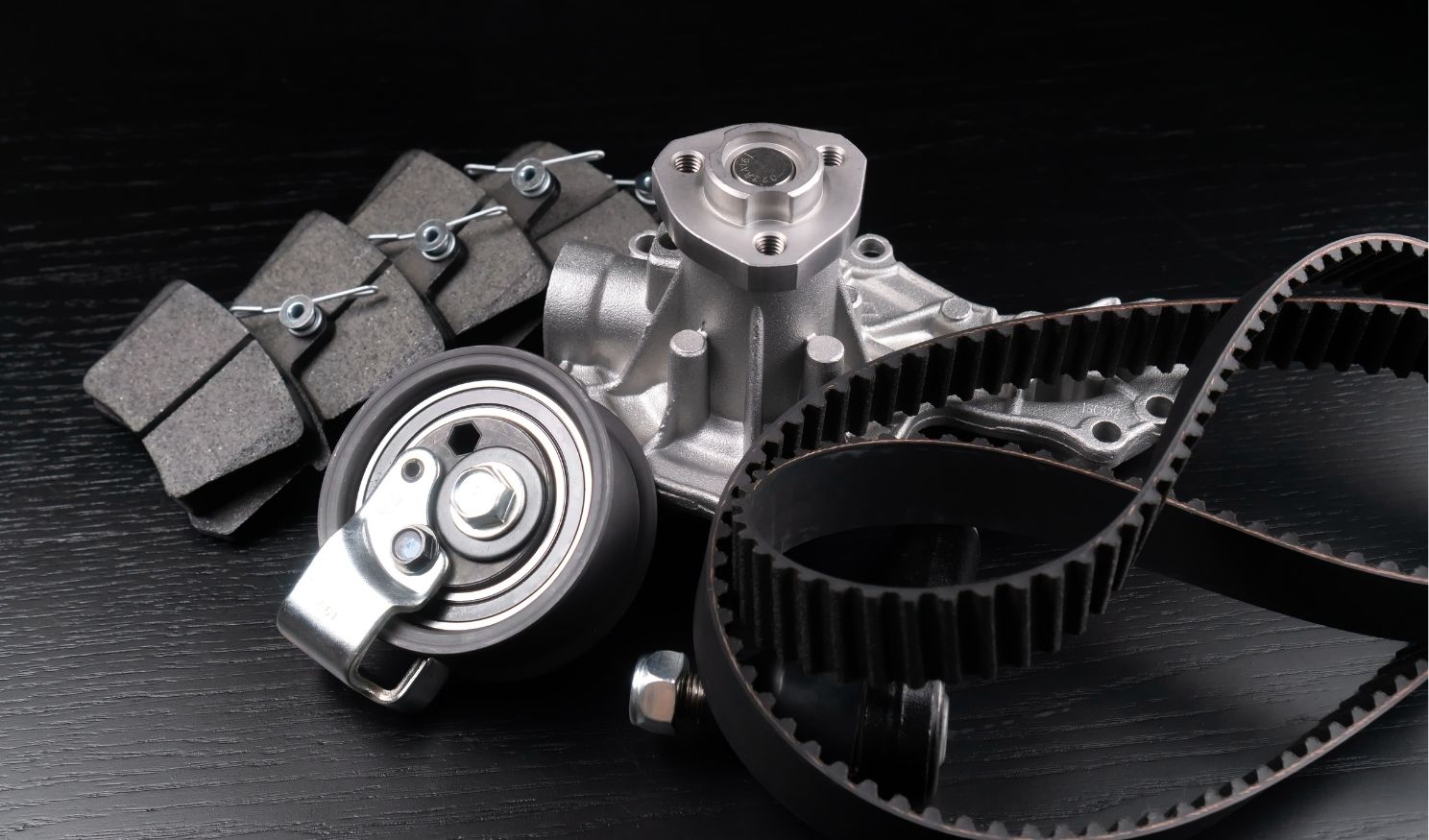
A Beginner’s Guide to Understanding Automotive Component Categories
When you open the hood of a vehicle or peer under the chassis, it’s easy to get overwhelmed by the sheer number of components that make a car function. Whether you're a vehicle owner, aspiring mechanic, or automotive enthusiast, understanding the basic categories of automotive components is essential to diagnosing issues, performing upgrades, or making informed buying decisions.
In this beginner’s guide, we’ll break down the key automotive component categories you need to know—along with their roles in keeping your vehicle running smoothly.
1. Engine System Components
The engine is the heart of any vehicle. Components in this category include the engine block, cylinder head, pistons, camshaft, and crankshaft. These parts convert fuel into mechanical energy, propelling the vehicle forward.
Tip: Choosing high-quality engine parts can directly impact performance and fuel efficiency.
2. Transmission & Drivetrain
This category includes the gearbox, clutch, differential, drive shafts, and axles. The transmission regulates power from the engine to the wheels, ensuring your vehicle runs at the desired speed with optimal efficiency.
3. Suspension & Steering
These systems work together to ensure a smooth ride and precise control. Components include shock absorbers, struts, tie rods, ball joints, and steering racks. They provide stability, reduce vibration, and enhance handling, especially on uneven terrain.
4. Braking System
From brake pads and calipers to rotors and master cylinders, braking components are crucial for safety. Proper maintenance and timely replacement of worn brake parts ensure optimal stopping power and reduce accident risk.
5. Cooling System
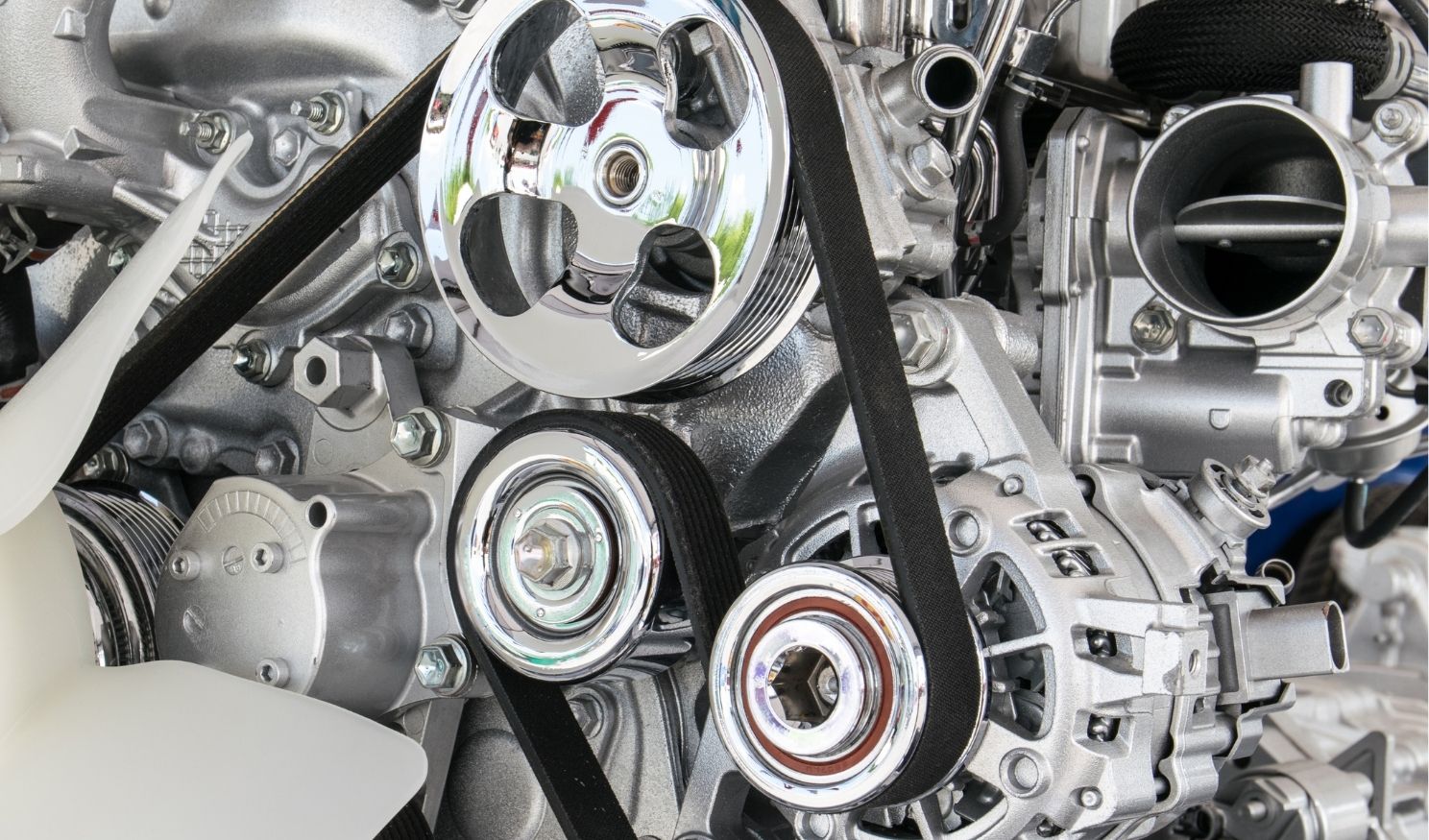
To prevent the engine from overheating, vehicles use radiators, water pumps, thermostats, and coolant hoses. These components maintain optimal engine temperature, especially during long drives or in high-performance conditions.
6. Electrical & Electronic Systems
Modern vehicles rely heavily on electronics. Batteries, alternators, starter motors, ECUs (Electronic Control Units), and sensors power everything from ignition to infotainment systems.
7. Exhaust & Emission Systems
This includes the muffler, catalytic converter, exhaust manifold, and oxygen sensors. These parts manage noise, reduce pollutants, and ensure compliance with environmental regulations.
8. Fuel System
The fuel pump, injectors, fuel tank, and fuel filters deliver gasoline or diesel from the tank to the engine efficiently. Any failure here can lead to poor fuel economy or complete engine failure.
9. Climate Control
Air conditioning and heating systems, including compressors, condensers, blowers, and evaporators, ensure passenger comfort year-round.
10. Body & Interior Components
From bumpers and mirrors to seats, dashboards, and interior panels, these components define the vehicle’s appearance and comfort level.
Final Thoughts
Understanding these automotive component categories helps drivers, mechanics, and suppliers make smarter decisions. Whether you're replacing a single part or sourcing high-quality OEM components, Global Denso Products is your trusted partner for reliable, high-performance automotive solutions.
Explore our full range of components and upgrade your vehicle with parts that meet or exceed industry standards.
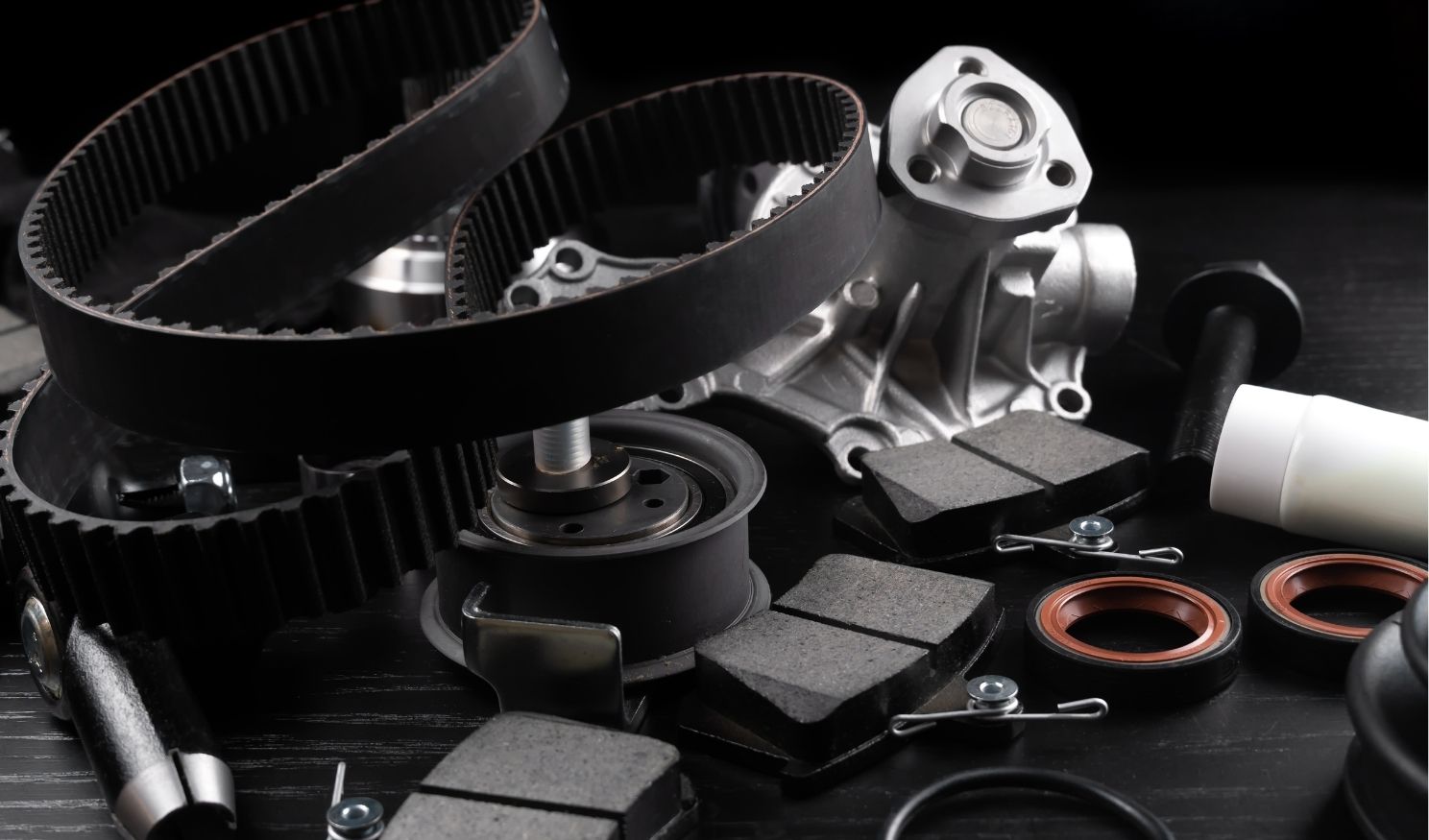
How Quality Auto Parts Improve Vehicle Performance and Longevity
In today’s competitive automotive landscape, the performance and lifespan of a vehicle heavily depend on the quality of its components. Whether you’re a mechanic, vehicle owner, or automotive enthusiast, understanding the role of high-grade auto parts is critical. At Global Denso Products, we champion the importance of investing in durable, precision-engineered parts that deliver long-term value.
1. The Foundation of Performance
Every component—whether it’s a spark plug, alternator, or fuel injector—plays a direct role in how efficiently your vehicle operates. Quality parts ensure smoother ignition, consistent power output, and reliable energy distribution, resulting in better acceleration, reduced lag, and overall superior driving performance.
2. Minimized Wear and Tear
Low-grade parts often lead to faster deterioration and increased strain on surrounding systems. Premium components are built to exacting standards, reducing friction, minimizing heat damage, and resisting corrosion. This helps extend the service intervals and reduces the risk of part failure.
3. Fuel Efficiency and Emissions Control
Reliable engine components, such as oxygen sensors and fuel pumps, help optimize the air-fuel ratio and improve combustion efficiency. The result? Lower fuel consumption and reduced carbon emissions. Quality parts not only save money at the pump but also contribute to a cleaner environment.
4. Long-Term Cost Savings
While cheaper alternatives may appear economical upfront, they often require frequent replacements and can cause secondary damage. By choosing high-performance auto parts, you avoid costly repairs, unexpected breakdowns, and downtime. Think of it as an investment in the longevity of your vehicle.
5. Enhanced Safety and Reliability
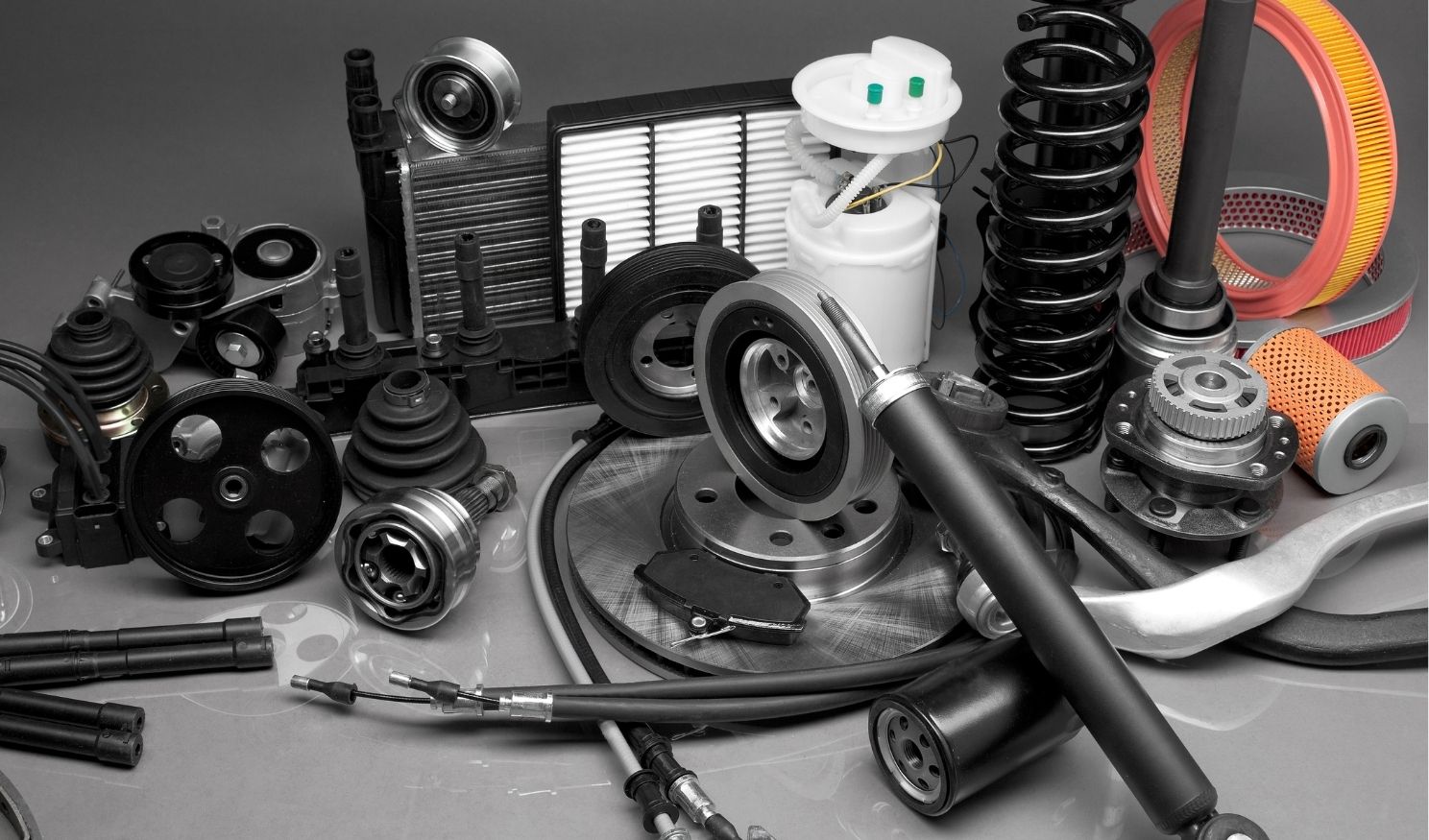
From brake pads to steering components, vehicle safety hinges on the dependability of its parts. Quality-tested, OEM-grade parts deliver consistent performance under stress, giving drivers peace of mind—especially in extreme conditions or during long-distance travel.
6. Protecting Your Vehicle Warranty
Using manufacturer-approved or OEM-equivalent parts ensures compliance with most vehicle warranties. Substandard components can void coverage and leave owners unprotected in case of mechanical failure.
7. Precision Fit for Seamless Integration
High-quality auto parts are engineered with precision to match vehicle specifications. This reduces installation issues, promotes compatibility, and ensures the system operates exactly as the manufacturer intended—no improvisation required.
Why Choose Global Denso Products?
Global Denso Products is committed to supplying only the highest-quality automotive components. Our catalogue features reliable, performance-driven solutions for a wide range of vehicles. Whether you're replacing worn-out parts or upgrading for better performance, our inventory is built to last.
Top 10 Essential Automotive Components Every Vehicle Needs
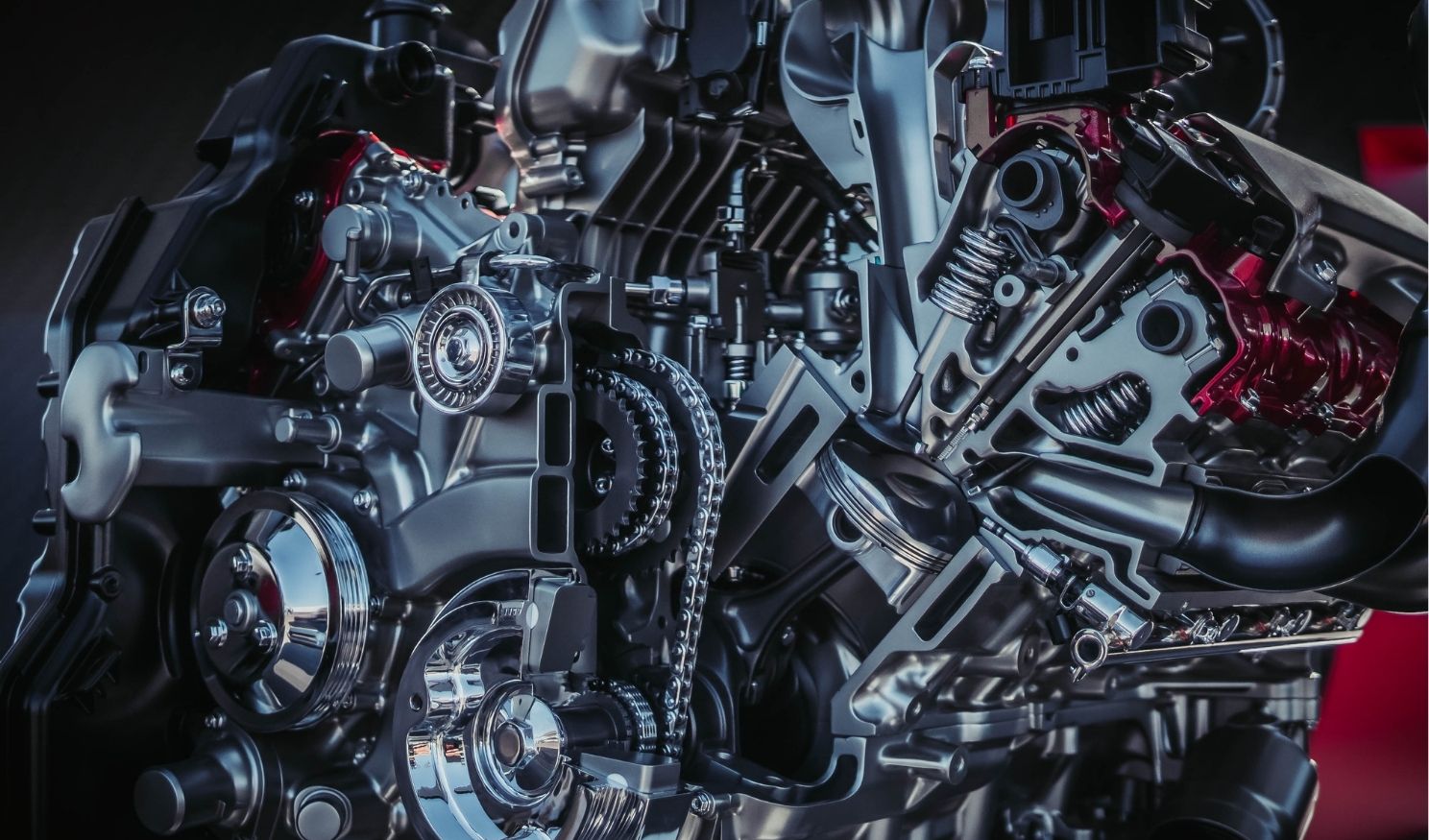
When it comes to vehicle performance, reliability, and safety, every part matters. At Global Denso Products, we understand the critical role that quality automotive components play in ensuring a smooth and efficient ride. Whether you're a car enthusiast, mechanic, or fleet manager, having the right components can dramatically enhance your vehicle's performance and longevity.
Below are the top 10 essential automotive components that every vehicle must have—and why choosing high-performance, OEM-grade parts is non-negotiable.
1. Spark Plugs
These small yet powerful components ignite the air-fuel mixture in the engine’s combustion chamber. Faulty spark plugs can lead to misfires, reduced fuel economy, and sluggish acceleration. Choose long-life platinum or iridium spark plugs for maximum efficiency.
2. Oil Filter
An engine's lifeblood is clean oil. A high-quality oil filter prevents contaminants from circulating through the engine. Regular replacement protects internal engine parts and ensures smoother operation.
3. Air Filter
The engine needs clean air for proper combustion. A clogged air filter reduces fuel efficiency and increases emissions. Invest in a performance air filter to keep your engine breathing freely.
4. Fuel Pump
Responsible for delivering fuel from the tank to the engine, a reliable fuel pump is essential. A failing pump causes hard starts, engine sputtering, and eventual breakdowns. OEM-grade fuel pumps ensure optimal flow and pressure.
5. Alternator
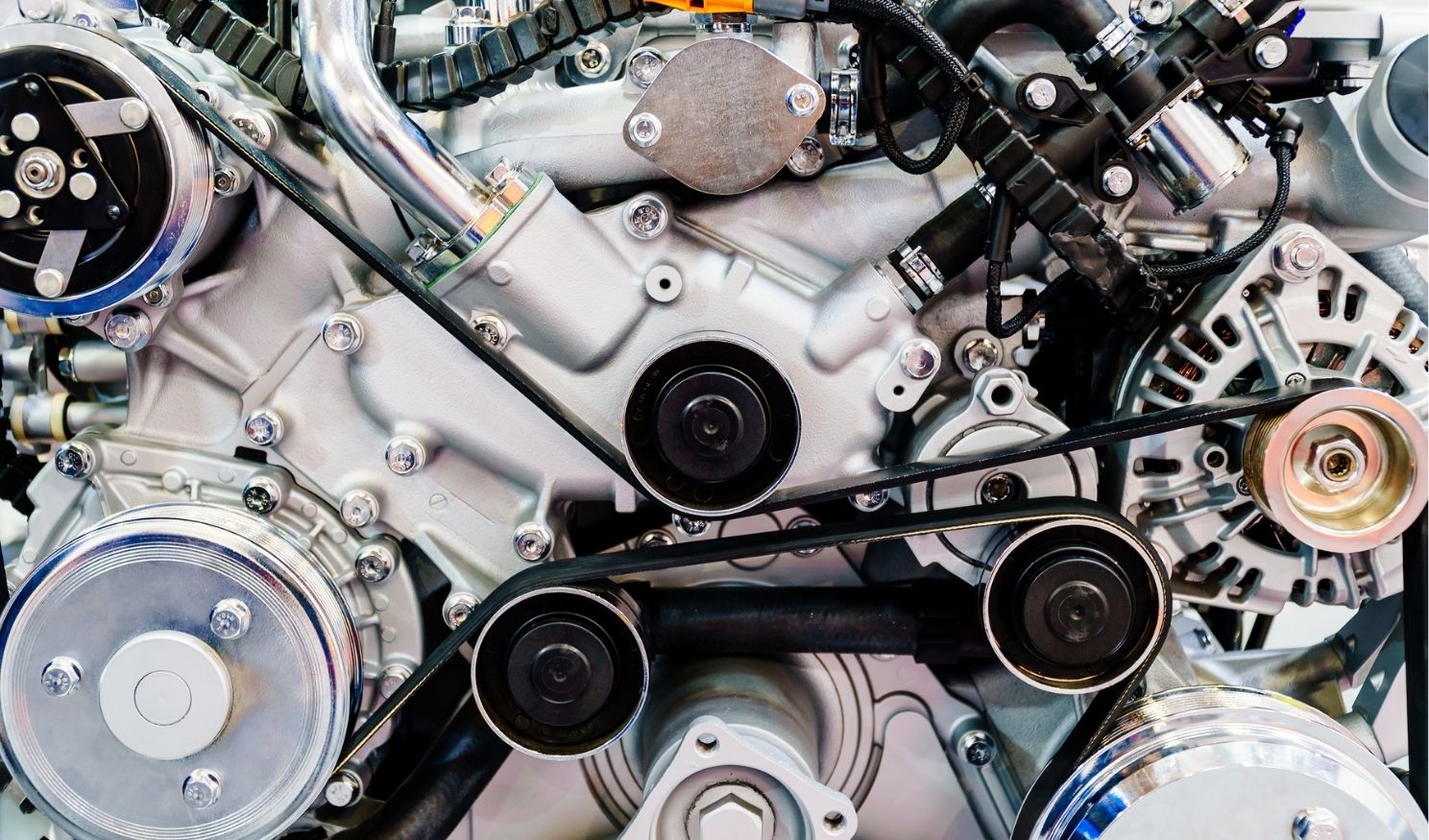
The alternator charges your battery and powers the vehicle’s electrical system. A malfunctioning alternator can leave you stranded. Go with trusted, precision-built alternators for long-term dependability.
6. Brake Pads & Rotors
Safety starts with stopping power. Worn-out brake pads or warped rotors increase stopping distance and compromise control. Opt for high-performance brake systems to maximize safety on the road.
7. Battery
Without a properly functioning battery, your vehicle won’t start. Look for maintenance-free batteries with high cold-cranking amps (CCA) and long service life.
8. Radiator & Cooling System Components
Overheating is a leading cause of engine damage. A durable radiator, paired with a reliable thermostat and water pump, ensures optimal temperature regulation under all driving conditions.
9. Timing Belt or Timing Chain
This component synchronizes the engine’s valves and pistons. A failure can cause catastrophic engine damage. Stick with OEM-timed components for peace of mind and mechanical integrity.
10. Oxygen Sensors (O2 Sensors)
Modern vehicles rely on O2 sensors to monitor exhaust gases and adjust the air-fuel mixture. Faulty sensors lead to poor fuel economy and high emissions. High-quality sensors ensure accurate data transmission and optimal engine performance.
Why Choose Global Denso Products?
At Global Denso Products, we offer reliable, industry-grade components for virtually every make and model. Our commitment to engineering excellence, rigorous quality testing, and global sourcing expertise positions us as a trusted supplier to garages, dealerships, and distributors worldwide.
Whether you're upgrading for performance or replacing worn parts, choose components that meet or exceed OEM standards—choose Global Denso Products.