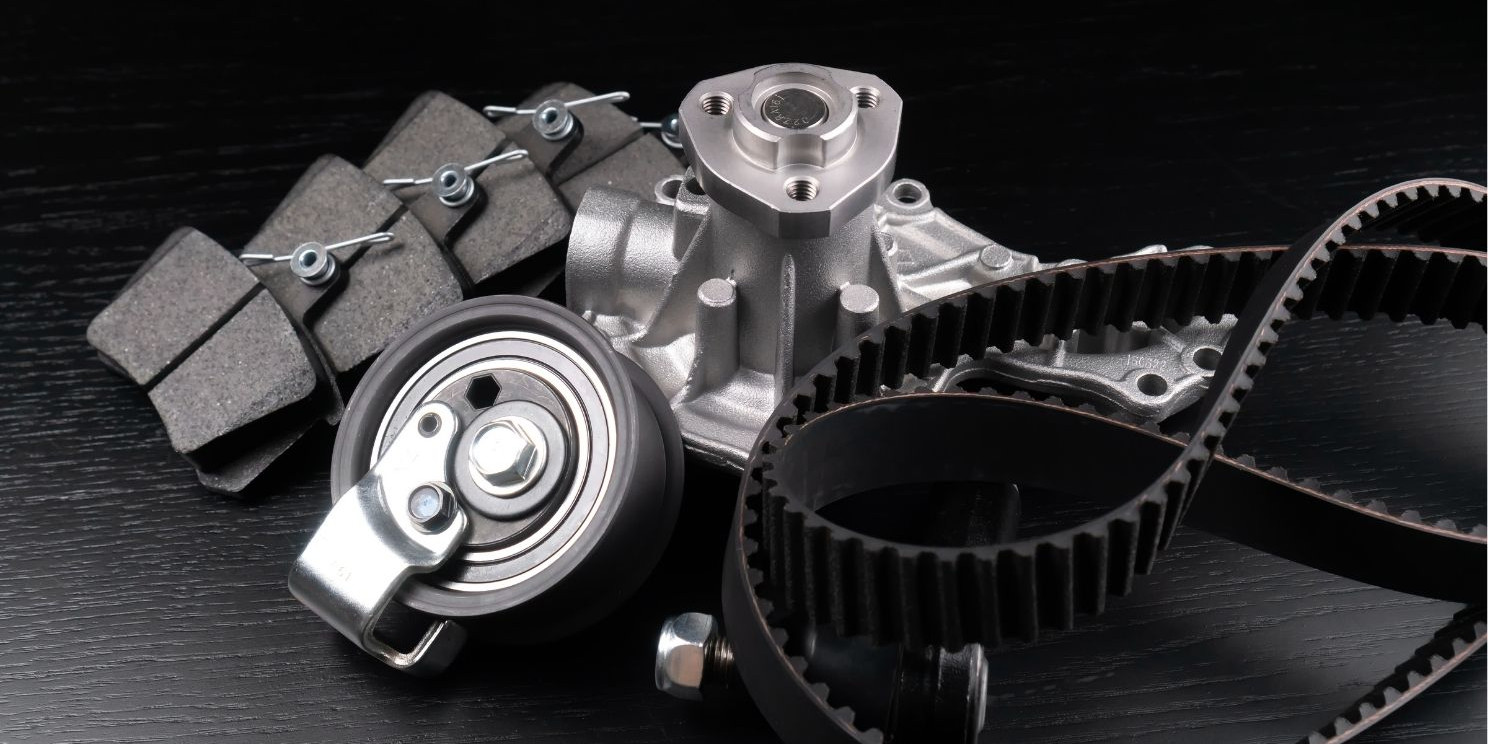
The Silent Heart of the Modern Machine
In the grand tapestry of automotive maintenance, the battery is often the most overlooked thread. We focus on the roar of the engine, the shine of the paintwork, or the precision of the braking system, yet we frequently ignore the very component that breathes life into these systems. From an editorial perspective, the car battery has evolved from a simple lead-acid box into the sophisticated nervous center of the modern vehicle. To treat it as an afterthought is not just a lapse in maintenance; it is a fundamental misunderstanding of how today’s cars function.
At Global Denso Products, we have observed a recurring pattern in automotive care: drivers tend to react to battery failure rather than preventing it. This reactive mindset is a significant mistake. In an era where vehicles are essentially rolling computers, the health of your battery dictates the reliability of every other electronic component on board. Ignoring this reality leads to a cascade of mechanical and financial consequences that far outweigh the cost of a simple diagnostic check.
The Technological Shift: More Than Just an Ignition Source
To understand why ignoring battery health is such a grave error, we must first look at how vehicle architecture has changed. A decade ago, the battery’s primary job was to provide a quick burst of energy to the starter motor and then sit back while the alternator took over. Today, the landscape is vastly different. Modern vehicles are equipped with start-stop technology, advanced infotainment systems, GPS, heated seats, and a suite of Advanced Driver Assistance Systems (ADAS).
These systems place a constant, heavy load on the electrical circuit. Even when the engine is off, the battery is working to maintain memory for onboard computers and security systems. When a battery begins to degrade, it doesn’t just stop starting the car; it begins to provide inconsistent voltage to these sensitive electronics. This can result in “ghost” error codes, malfunctioning sensors, and erratic behavior from the vehicle’s software. By the time you notice a slow crank in the morning, your car’s computer may have been struggling with low-voltage stress for months.
The Domino Effect of a Weak Battery
One of the most compelling arguments against battery neglect is the physical toll it takes on other engine components. A weak battery forces the alternator to work overtime, running at maximum capacity to compensate for the battery’s inability to hold a charge. This leads to premature alternator wear, a repair that is significantly more expensive than a battery replacement.
Furthermore, an undercharged battery increases the strain on the starter motor. Because the motor isn’t receiving the optimal cold-cranking amps, it has to work harder and longer to turn over the engine, leading to internal heat buildup and eventual failure. This domino effect illustrates a core truth in car servicing: the components are interconnected. When you ignore the health of one, you are effectively shortening the lifespan of them all.
Identifying the Warning Signs of Decay
The transition from a healthy battery to a dead one is rarely instantaneous. There are almost always subtle clues that the chemical energy within the unit is reaching its end. Recognizing these patterns is the first step in avoiding the “huge mistake” of being stranded.
- Sluggish Engine Crank: If the engine takes longer than usual to turn over, the battery is likely struggling to deliver the necessary current.
- Dimming Headlights at Idle: If your lights brighten when you rev the engine and dim when you stop, your battery is no longer acting as an effective buffer for the electrical system.
- The Pungent Smell of Sulfur: A leaking or overcharged battery often emits a rotten egg smell, indicating internal damage or casing leaks.
- Corrosion at the Terminals: White, ashy powder on the metal connections is a sign of acid venting, which increases electrical resistance and hinders charging.
- Physical Swelling: Extreme temperatures can cause the battery case to bloat, a clear sign that its internal structure is compromised.
The Environmental Factor: Why Climate Matters
There is a common misconception that winter is the primary enemy of the car battery. While the cold certainly makes it harder for a battery to produce current, it is actually the heat of summer that does the most damage. High temperatures accelerate the internal chemical reactions and lead to faster fluid evaporation. This internal “cooking” of the battery plates is what leads to failure during the first cold snap of autumn.
Ignoring battery health during the summer months is a pattern we see far too often. By the time the temperature drops, the damage is already done. A proactive approach involves testing the battery’s health at the end of every extreme season. This ensures that you aren’t caught off guard by the natural limitations of lead-acid or AGM chemistry.
A Proactive Approach to Automotive Longevity
The editorial conclusion is clear: we must stop viewing the battery as a disposable commodity and start viewing it as a critical maintenance item. Just as we wouldn’t ignore an oil change or a brake pad warning, we cannot afford to look past the health of our power source. At Global Denso Products, we believe that precision engineering deserves precision care.
Modern diagnostic tools can now provide a detailed “state of health” report for a battery in seconds, measuring everything from internal resistance to remaining capacity. Incorporating this check into your regular car servicing routine is a small investment of time that prevents a massive headache. Ultimately, the mistake isn’t just in having a dead battery—it’s in ignoring the months of warnings your vehicle gave you before the lights finally went out. Reliability on the road is built on foresight, and that foresight begins with the battery.
Related Posts
Identifying common signs of wear in your car engine components
Ignoring engine wear is a recipe for…
How Precision Engineering Redefines Our Connection to the Road
Discover how precision engineering…