The Myth of the Maintenance-Free Modern Engine
In the modern era of automotive engineering, there is a dangerous misconception that today’s vehicles are virtually indestructible. We have been conditioned by long service intervals and high-tech dashboards to believe that as long as no warning light is glowing, everything under the hood is pristine. I would argue that this passivity is the single greatest threat to your vehicle’s longevity. A dashboard light is not a proactive warning; it is often a post-mortem notification that a component has already failed.
To truly protect your investment and ensure peak performance, you have to develop a more critical eye—and ear. Engine components don’t just fail overnight. They scream for help through subtle shifts in vibration, sound, and smell. If you are waiting for a computer to tell you your car is sick, you are already behind the curve. Identifying wear is about being an active participant in your vehicle’s health, rather than a passive passenger.
Hearing is Believing: The Auditory Red Flags You’re Ignoring
The most common mistake drivers make is turning up the radio to drown out an unfamiliar sound. This is negligence, plain and simple. Your engine is a mechanical symphony, and any dissonance is a sign of impending mechanical failure. If you hear a rhythmic ticking or clicking, don’t assume it’s just ‘how the car sounds.’ That sound often points toward worn-out valve train components or low oil pressure—issues that can lead to catastrophic engine seizure if left unchecked.
The Telltale Squeal of Failing Belts
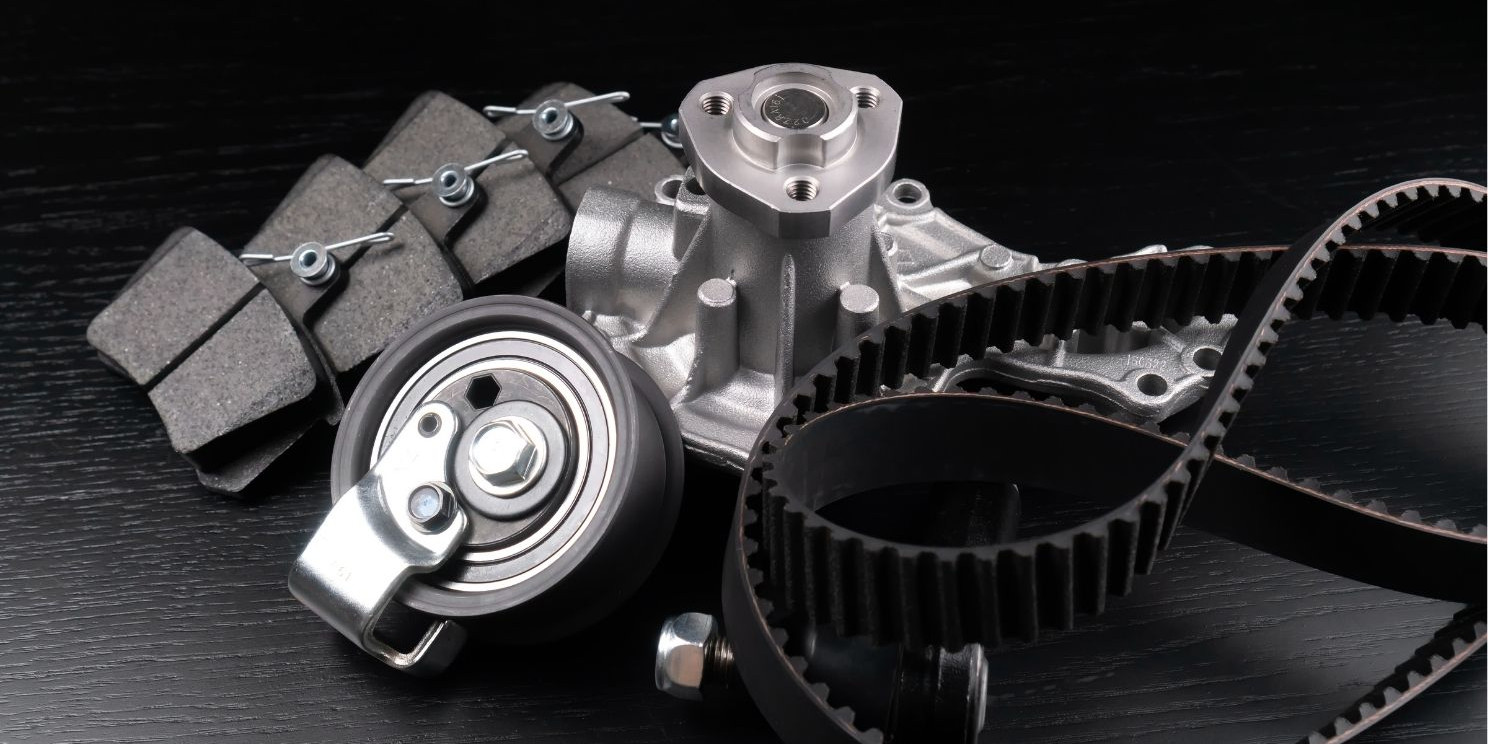
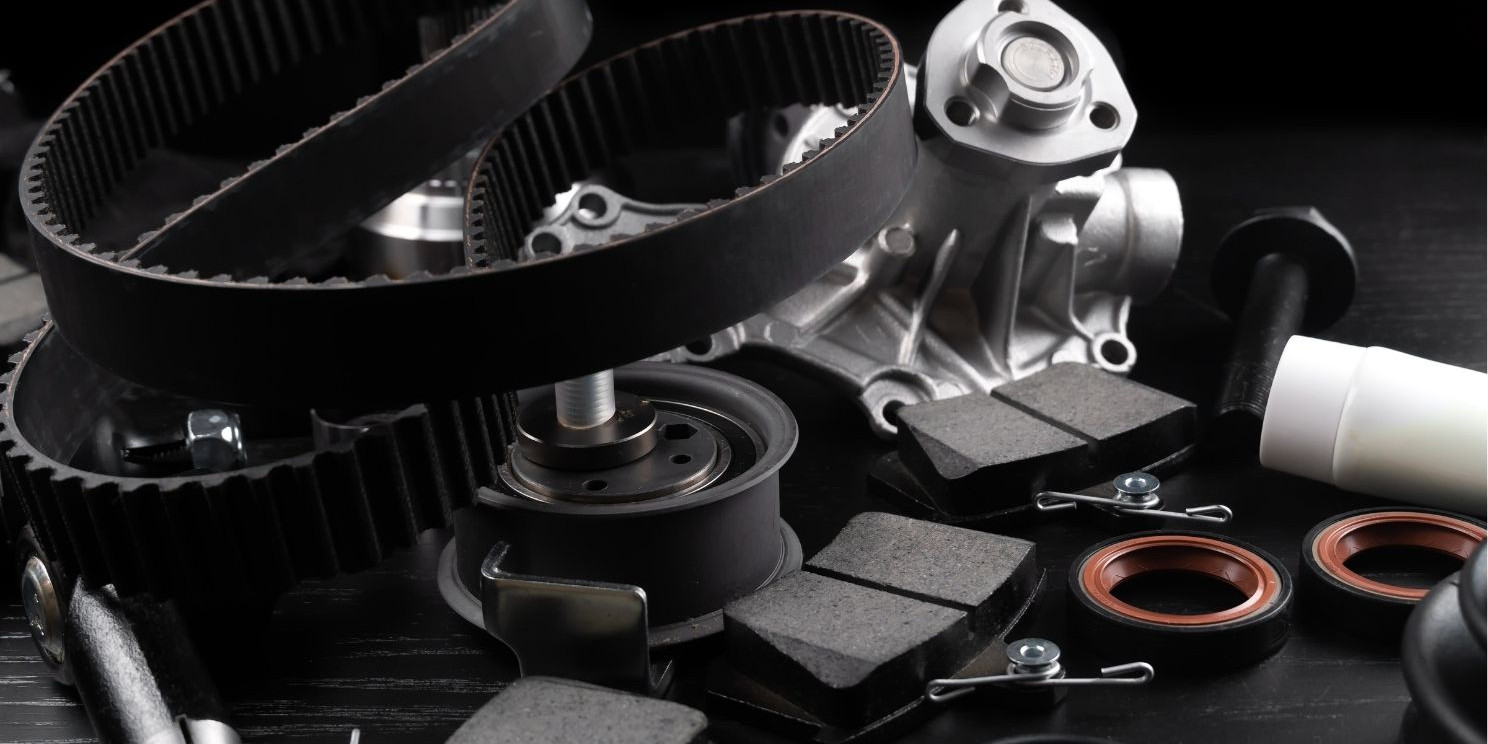
A high-pitched squeal upon startup or during acceleration isn’t just an annoyance; it is a blatant signal that your serpentine belt or timing belt is on its last legs. Many people dismiss this as a moisture issue or a minor quirk. In my view, ignoring a squealing belt is playing Russian roulette with your engine’s synchronization. If that belt snaps, your engine stops. Period. There is no middle ground here; a worn belt is a ticking time bomb that demands immediate replacement.
Visual Cues: If It’s Leaking, It’s Dying
We need to stop normalizing ‘minor’ leaks. In a perfectly functioning engine, fluids stay where they belong. If you see a puddle on your driveway or notice a coating of grime on your engine block, you are witnessing the slow death of your seals and gaskets. I firmly believe that a clean engine is a healthy engine. Oil leaks aren’t just messy; they lead to decreased lubrication and increased friction, which are the primary killers of engine components.
Identifying the Colors of Failure
You should be checking your fluids weekly, not just when you remember. The condition of these fluids tells a story that no diagnostic scanner can fully capture. Consider these visual indicators of internal wear:
- Milky Oil: This is a classic sign of a blown head gasket, where coolant is mixing with your oil. If you see this, stop driving immediately.
- Metallic Shimmer in Oil: If your oil looks like metallic paint, your engine is literally eating itself. Those are shavings from your bearings and pistons.
- Dark, Gritty Coolant: Coolant should be vibrant. If it’s brown or sludge-like, your internal cooling passages are corroding, risking a total overheat.
- Blue Smoke from the Exhaust: This isn’t just ‘old car’ behavior; it’s a sign that your piston rings are worn out and you’re burning oil.
Performance Drops: The Subtle Decay of Horsepower
Perhaps the most insidious sign of component wear is the gradual loss of power. Because it happens slowly over thousands of miles, many drivers simply adapt to a sluggish car. They convince themselves that the car is just ‘getting older.’ This is a defeatist attitude. A significant drop in fuel economy or a hesitant throttle is usually the result of worn spark plugs, clogged fuel injectors, or a failing oxygen sensor.
When these components wear down, they force the engine to work harder to achieve the same results. This creates a vicious cycle of heat and friction that accelerates the wear on every other part of the powertrain. If your car doesn’t pull with the same vigor it once did, don’t accept it as inevitable. It is a symptom of a system in distress.
Conclusion: Stop Being a Passive Passenger
The reality is that most major engine repairs are entirely preventable. They are the result of months, sometimes years, of ignored signs. We have become too reliant on sensors and not reliant enough on our own senses. If you want your vehicle to reach the 200,000-mile mark and beyond, you must take a hardline stance on maintenance. Treat every odd noise, every drop of oil, and every dip in performance as a critical alert.
Ultimately, the health of your engine components is a reflection of your attentiveness as an owner. You can either spend a little time and money now on preventative components and inspections, or you can spend thousands later on a complete engine overhaul. The choice seems obvious, yet many continue to look the other way. Don’t be that driver. Listen to your car, look under the hood, and act before the warning light forces your hand.